



Industries We Serve

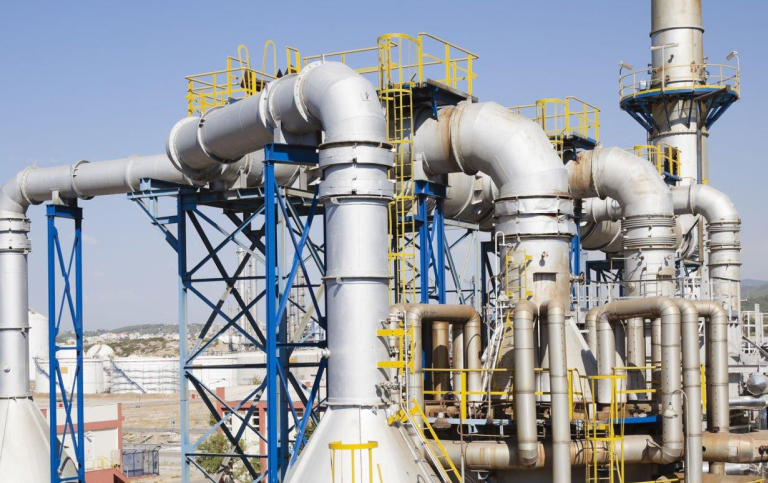
Power Plant industry
In Power Plant generation facilities, especially coal-fired and thermal Power Plant industry, air filtration systems are essential for controlling particulate emissions and meeting strict environmental regulations. Technologies such as Electrostatic Precipitators (ESPs), bag filters, and Selective Catalytic Reduction (SCR) units are widely used to capture fly ash, dust, and fine particulate matter before flue gases are released into the atmosphere. These systems not only protect the environment but also ensure compliance with emission standards while maintaining plant efficiency.
Over time, however, continuous accumulation of ash and particulates can block filters, leading to restricted airflow and reduced efficiency. Blocked filters increase pressure drops, raise energy consumption, and may even cause costly unplanned shutdowns for cleaning and maintenance. Conventional cleaning methods, including mechanical rapping or pulse-jet cleaning, are not always sufficient and can contribute to equipment wear and tear. This makes effective, advanced filtration and maintenance solutions critical for reliable and sustainable Power Plant plant operations.

“Silence the noise of inefficiency—upgrade to precision acoustic cleaning today.”
Boost productivity. Reduce downtime. Act now!
Solution with Sonic Horns for Power Plant industry
In coal-fired and thermal Power Plant industry, where Electrostatic Precipitators (ESPs), bag filters, and SCR units are used extensively, LC Sonics' sonic horn technology provides a highly efficient, non-invasive cleaning solution. By generating Power Plantful, low-frequency sound waves, our system continuously prevents ash and dust buildup on filter surfaces. This keeps particles in motion, ensures consistent airflow, and reduces the risk of blockages—all while extending the life of critical filtration equipment.
Unlike mechanical cleaning methods that cause wear and tear, sonic horns operate with zero mechanical contact, minimal energy input, and no interruptions to plant operations. This acoustic cleaning approach lowers maintenance costs, minimizes downtime, and helps Power Plant industry stay compliant with emission standards while maintaining peak performance.
Why Sonic Horns Are Better for Power Plant industry?
- No Mechanical Wear
- Continuous Operation
- Low Energy Use
- Improved Airflow
Cement Industry
In cement manufacturing industry, air filtration systems are crucial to control dust emissions generated during processes such as clinker cooling, kiln operation, and material handling. Bag filters, Electrostatic Precipitators (ESPs), and other filtration units are used to capture cement dust and fine particles before gases are released into the environment. These systems play a vital role in ensuring regulatory compliance, reducing air pollution, and protecting the health of workers and surrounding communities.
Over time, the accumulation of cement dust can block filters, reduce airflow, and compromise equipment efficiency. This not only increases energy consumption but can also force production stoppages for maintenance and cleaning. Conventional cleaning methods often struggle with heavy dust loads, leading to high wear and tear on filtration units. This makes advanced, non-invasive cleaning solutions essential for uninterrupted cement plant operations.
“Keep cement dust under control—acoustic cleaning is the smarter solution.”
Boost efficiency. Protect equipment. Stay compliant!
Solution with Sonic Horns for Cement Industry
LC Sonics' sonic horn technology provides an effective and maintenance-satendly solution for cement industry. By producing low-frequency sound waves, the system dislodges cement dust from filter bags and ESP plates, preventing buildup and maintaining consistent airflow. This acoustic cleaning method eliminates the need for frequent manual or mechanical cleaning, reducing downtime and extending the life of filtration equipment.
With no mechanical wear, low energy requirements, and continuous operation, sonic horns are perfectly suited for the heavy dust loads of cement production. They help industry reduce operating costs, improve reliability, and stay compliant with stringent environmental standards.
Why Sonic Horns Are Better for Cement industry?
- Handles Heavy Dust
- Improves Airflow
- Reduces Downtime
- Low Maintenance


Steel & Smelting Industry
In steel manufacturing and smelting facilities, maintaining efficient air filtration is critical to control dust, fumes, and fine particulate matter generated during processes like blast furnaces, converters, and casting. Advanced systems such as Electrostatic Precipitators (ESPs), bag filters, and scrubbers are widely deployed to capture metallic dust, slag particles, and combustion residues. These technologies help protect worker safety, reduce environmental pollution, and ensure compliance with emission norms while keeping plant operations efficient.
Over time, heavy dust, slag, and fume accumulation can clog filters, restricting airflow and increasing energy consumption. Blocked filters not only raise operating costs but may also cause unplanned shutdowns, hampering production schedules. Traditional cleaning methods such as mechanical rapping or pulse-jet systems often struggle with fine metallic particulates and can damage filter surfaces. This makes advanced, non-invasive cleaning methods essential for reliable and long-lasting performance in steel and smelting industries.
“Tackle dust at its source—keep your furnaces breathing free with acoustic cleaning.”
Protect equipment. Boost output. Stay compliant!
Solution with Sonic Horns for Steel & Smelting industry
In steel industry and smelting facilities, LC Sonics’ sonic horn technology offers a Power Plantful, low-maintenance solution to prevent dust and slag buildup in ESPs, bag filters, and scrubbers. By producing strong low-frequency acoustic waves, sonic horns keep particulates in suspension, reduce blockages, and ensure steady airflow—extending the life of filtration equipment and maintaining consistent efficiency.
Unlike conventional cleaning methods that cause wear or production interruptions, sonic horns work with zero mechanical contact and minimal Power Plant input. This results in reduced downtime, lower maintenance costs, and reliable compliance with strict emission standards—all while supporting smooth steel production and smelting operations.
Why Sonic Horns Are Better for Steel & Smelting industry?
- Handles Heavy Dust
- Prevents Slag Build-up
- Continuous Operation
- Low Energy Use
Food Processing Industry
In food processing facilities, air quality and hygiene are of utmost importance. Dust, flour particles, sugar dust, and other airborne contaminants are generated during milling, grinding, mixing, and packaging processes. Advanced air filtration systems such as bag filters, cyclones, and scrubbers are essential to control airborne particles, ensure product quality, protect worker health, and maintain compliance with strict food safety and hygiene standards.
Over time, fine dust and organic particles can accumulate on filters, reducing airflow, increasing energy consumption, and creating potential contamination risks. Frequent blockages may also lead to unplanned downtime, affecting production output. Conventional cleaning methods are not always effective for fine, sticky particulates and may damage delicate filter media, making advanced and gentle cleaning technologies crucial for food industry operations.
“Keep your production lines clean, safe, and efficient with acoustic cleaning.”
Ensure hygiene. Reduce downtime. Improve quality!
Solution with Sonic Horns for Food Processing industry
In food processing industries, LC Sonics’ sonic horn technology provides a safe, efficient, and non-invasive solution to prevent dust buildup on filters and ducts. By generating low-frequency sound waves, sonic horns dislodge fine particles and maintain consistent airflow without physical contact. This ensures product hygiene, enhances air quality, and extends the lifespan of filtration equipment.
Unlike traditional cleaning methods that may damage filters or interrupt production, sonic horns work continuously with minimal energy input and zero mechanical wear. This results in improved plant efficiency, reduced downtime, and consistent compliance with food safety and hygiene standards.
Why Sonic Horns Are Better for Food Processing industry?
- Maintains Hygiene
- Prevents Blockages
- Continuous Cleaning
- Low Energy Use
Oil & Petrochemical Industry
In oil refineries and petrochemical industry, air filtration systems are critical to control dust, fumes, and chemical particulates generated during refining, cracking, and chemical processing operations. Equipment such as Electrostatic Precipitators (ESPs), bag filters, and scrubbers help capture hazardous airborne contaminants, ensuring worker safety, environmental compliance, and smooth plant operations.
Over time, fine particulates, catalyst dust, and oily residues can accumulate on filters, restricting airflow and increasing energy consumption. Blocked filters may lead to unplanned downtime and higher maintenance costs. Conventional cleaning methods, including mechanical rapping or pulse-jet systems, may be insufficient or cause damage to sensitive filter media, making advanced, non-invasive cleaning solutions essential.
“Keep your processes safe and continuous with acoustic cleaning technology.”
Minimize downtime. Reduce maintenance. Protect personnel!
Solution with Sonic Horns for Oil & Petrochemical Industry
LC Sonics’ sonic horn technology provides a safe, non-invasive solution for oil and petrochemical industry. By generating low-frequency acoustic waves, sonic horns dislodge dust, catalyst residues, and fine particulates from filter surfaces, maintaining consistent airflow and reducing blockages without halting operations or damaging equipment.
Unlike traditional mechanical cleaning methods, sonic horns operate with zero mechanical contact and minimal energy input. This leads to reduced downtime, lower maintenance costs, enhanced safety, and reliable compliance with environmental and safety standards.
Why Sonic Horns Are Better for Oil & Petrochemical industry?
- Safe Cleaning
- Non-Sparking Tech
- Reduced Downtime
- Longer Equipment Life
Paper Industry
In paper manufacturing facilities, dust and fiber particles are generated during pulping, drying, and cutting processes. Efficient air filtration systems such as bag filters, cyclones, and scrubbers are essential to capture airborne fibers and dust, ensuring worker safety, smooth operations, and compliance with environmental regulations.
Over time, accumulated fibers and dust can block filters, reduce airflow, and increase energy consumption. Frequent filter blockages may lead to unplanned downtime and higher maintenance costs. Conventional cleaning methods can be ineffective or cause wear on filters, highlighting the need for advanced, non-invasive cleaning solutions.
“Keep your paper production clean, efficient, and dust-free with acoustic cleaning.”
Reduce downtime. Improve airflow. Enhance safety!
Solution with Sonic Horns for Paper Industry
LC Sonics’ sonic horn technology provides a non-invasive solution to prevent dust and fiber buildup in paper plant filters and ducts. By generating low-frequency sound waves, sonic horns keep particles in motion, maintain airflow, and reduce blockages, ensuring consistent plant efficiency and extending filter life.
Unlike mechanical cleaning methods that cause wear or production interruptions, sonic horns work with minimal energy input and zero mechanical contact, reducing downtime, maintenance costs, and helping facilities stay compliant with environmental standards.
Why Sonic Horns Are Better for Paper industry?
- Prevents Blockage
- Better Airflow
- Less Maintenance
- Cost Efficient
Dairy Industry
In dairy processing facilities, maintaining hygienic air quality is essential to prevent contamination and ensure product safety. Filtration systems such as HEPA filters, bag filters, and cyclones are used to capture dust, powdered ingredients, and microbial particles, safeguarding both products and personnel.
Over time, airborne powders, dust, and residues can accumulate on filters, reducing airflow and increasing energy usage. Clogged filters can disrupt production, increase maintenance costs, and compromise hygiene standards. Traditional cleaning methods may be ineffective or risk contamination, making advanced, non-contact cleaning methods crucial.
“Maintain hygienic, efficient airflows in dairy industry with acoustic cleaning solutions.”
Protect products. Reduce downtime. Ensure hygiene!
Solution with Sonic Horns for Dairy Industry
LC Sonics’ sonic horn technology provides a hygienic, non-invasive solution to prevent dust and powder buildup on filters. Low-frequency acoustic waves keep particulates suspended, maintain airflow, and prevent blockages, ensuring consistent production and longer filter life.
Sonic horns operate without mechanical contact and require minimal energy input, reducing maintenance needs, downtime, and contamination risks, while supporting strict hygiene and safety standards.
Why Sonic Horns Are Better for Dairy industry?
- Hygienic Cleaning
- No Residue
- Energy Saving
- Improved Safety
Other Speciality
At vero eos et accusamus et iusto odio dignissimos ducimus qui blanditiis praesentium voluptatum deleniti atque corrupti quos dolores et quas molestias excepturi sint occaecati cupiditate non provident, similique sunt in culpa qui officia deserunt mollitia animi.